When teeth are missing, it can be helpful to understand the general differences between full and partial dentures before discussing options with a dental professional. The most appropriate approach depends on factors that are unique to each person, including the number and location of missing teeth and the condition of the mouth.
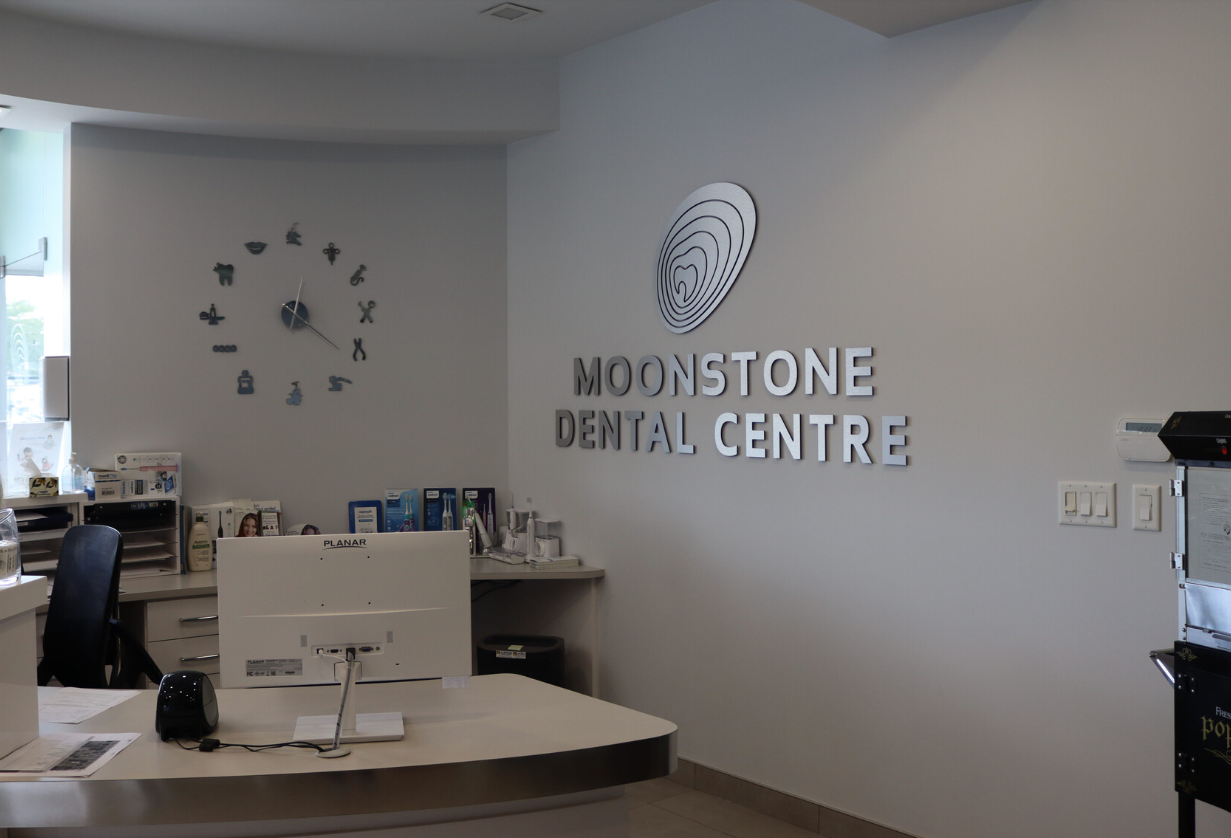
Moonstone Dental Centre lists dentures as a service in Oakville. Dr. Ban Abdul Rahman is a general practitioner.
What are full dentures?
Full dentures are removable appliances designed to replace all teeth in an upper arch, a lower arch, or both. They generally include replacement teeth set in a base that rests on the gums.
Whether full dentures are appropriate, and how they are designed, requires an individualized dental assessment. Oral tissues and underlying bone can change over time, which may affect how a removable appliance sits in the mouth.
Related services: Dentures Oral Health & Hygiene Maintenance
What are partial dentures?
Partial dentures are removable appliances used when some natural teeth remain. They replace one or more missing teeth and may incorporate a framework or other components that work around the remaining teeth.
The design of a partial denture varies. A dental professional considers the location of gaps, the health and stability of remaining teeth, bite relationships, and oral-health needs before discussing suitable options.
Questions to bring to a denture assessment
An assessment is an opportunity to discuss what you hope to address, your health history, and any concerns about daily use and care. It may be useful to ask which options are relevant to your situation, what each option involves, and what limitations or risks should be considered.
You may also want to ask about cleaning, storage, handling, and what changes should prompt a dental visit. Clear expectations are important because denture selection and adjustment are individualized clinical matters with variable benefits, limitations, risks, and outcomes.
Possible adjustment and care considerations
Removable dentures need regular cleaning according to the instructions provided for the specific appliance. They should be handled carefully and kept away from heat that could alter their shape.
Some people may experience concerns such as sore areas, irritation, changes in speech or eating, looseness, damage to the appliance, or changes in the gums and jaw over time. These concerns should be discussed with a dental professional rather than managed by altering the denture at home.
Why an individualized plan matters
A missing-tooth plan is not one-size-fits-all. A dental assessment can evaluate the mouth and help a patient understand the reasonable options, expected care needs, potential limitations, and relevant risks before making a decision.
If you are considering dentures, an assessment can help you ask informed questions and decide on next steps based on your individual oral-health situation.
Key takeaways
- Full dentures generally replace all teeth in an upper or lower arch, while partial dentures replace one or more teeth when natural teeth remain.
- The design and suitability of a removable denture depend on an individualized dental assessment.
- Discuss potential benefits, limitations, risks, care requirements, and questions about daily use before choosing an option.
- Do not adjust a denture yourself if it is causing discomfort or seems damaged; seek professional advice.
Frequently asked questions
What is the difference between full and partial dentures?
Full dentures generally replace all teeth in an upper or lower arch. Partial dentures replace one or more missing teeth when some natural teeth remain. The appropriate option depends on an individual assessment.
Are dentures removable?
Full and partial dentures are commonly removable appliances. The design and instructions for use and care vary by the individual appliance.
Will I need adjustments with dentures?
Adjustment needs vary. Changes in oral tissues, irritation, looseness, or damage can affect a removable appliance. A dental professional can assess concerns and advise on appropriate next steps.
How should dentures be cleaned?
Cleaning instructions depend on the appliance and materials. Ask a dental professional for instructions specific to your denture, including how to clean and store it safely.