Seeing blood when you brush or floss can be concerning, but it is a sign worth paying attention to rather than ignoring. Gums may bleed because of plaque buildup near the gumline, brushing or flossing technique, gum inflammation, or other health-related factors.
For Oakville residents, a dental assessment can help identify what may be contributing to bleeding and whether changes to home care or further dental care should be considered. This article provides general information and cannot diagnose the cause of an individual’s symptoms. Dr. Ban Abdul Rahman is a general practitioner.
Why gums may bleed
Plaque is a sticky film of bacteria that can collect where teeth meet the gums. If it is not removed effectively, the gums can become irritated and may look red, swollen, or bleed during brushing or flossing. Hardened plaque, called calculus or tartar, cannot be removed with a toothbrush alone.
Bleeding can also happen when someone starts flossing after a long break, brushes too firmly, uses a toothbrush with worn bristles, or has an appliance that irritates the gums. Some medications, hormonal changes, smoking, and certain medical conditions can also affect gum health. Because several factors may be involved, it is important not to assume the cause.
Related services: Periodontal Assessments Oral Health & Hygiene Maintenance
When bleeding gums need prompt attention
Arrange a dental assessment if bleeding is persistent or recurrent despite gentle, consistent cleaning, or if it happens often without an obvious reason. Persistent bleeding, swollen or tender gums, ongoing bad breath, gum recession, loose teeth, or changes in how your teeth fit together are reasons to seek professional advice.
Contact a dental professional promptly for heavy bleeding that does not stop with gentle pressure, significant facial swelling, fever, trouble swallowing or breathing, or a dental injury. Difficulty breathing or swallowing requires urgent medical attention.
What a periodontal assessment can help evaluate
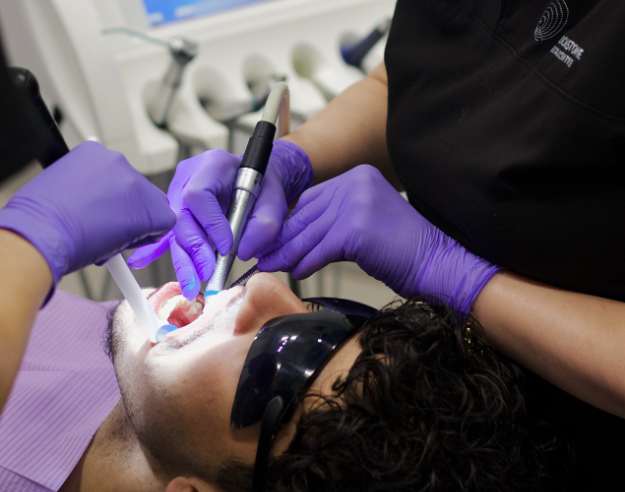
A periodontal assessment is a gum-health evaluation. It can include looking at the gums and teeth, checking for signs of inflammation, and considering areas where plaque or calculus may be accumulating. The exact assessment and any recommended next steps depend on the individual examination and health history.
Moonstone Dental Centre lists periodontal assessments as a service. Dr. Ban Abdul Rahman is a general practitioner. A visit can provide an opportunity to discuss bleeding gums, current oral-care habits, medications, and any symptoms you have noticed.
Daily habits that can support gum health
Brush twice daily using a soft-bristled toothbrush and fluoride toothpaste. Aim the bristles gently toward the gumline rather than scrubbing back and forth with force. Replace a toothbrush or brush head when the bristles begin to fray.
Clean between teeth once a day with floss or another interdental cleaning aid that you can use comfortably and consistently. If flossing causes minor bleeding at first, avoid stopping altogether; use a gentle technique and arrange an assessment if the bleeding persists or is substantial.
A balanced diet, limiting frequent sugary snacks and drinks, and avoiding tobacco can also support oral health. A dental professional can tailor home-care guidance after evaluating your teeth and gums.
Questions to bring to your appointment
It can be useful to note when the bleeding began, whether it occurs in one area or throughout the mouth, and whether you have noticed swelling, sensitivity, bad breath, or changes in your bite. Let the dental team know about relevant medications and health changes.
You may also want to ask which areas need extra attention at home, how to use floss or interdental cleaners effectively, and what follow-up schedule is appropriate for your oral-health needs. Recommendations should be based on your assessment rather than a one-size-fits-all timetable.
Key takeaways
- Bleeding gums are common, but persistent or recurrent bleeding deserves a dental assessment.
- Plaque buildup, brushing technique, irritation, medications, and health factors can all contribute to gum bleeding.
- Brush gently with a soft-bristled toothbrush and clean between teeth daily.
- Seek prompt dental or medical attention for heavy bleeding, swelling, fever, injury, or trouble swallowing or breathing.
Frequently asked questions
Is it normal for gums to bleed when flossing?
Gums may bleed when flossing is newly resumed, especially if there is inflammation. Gentle daily cleaning between the teeth is still important. If bleeding is persistent or recurrent, is significant, or comes with other symptoms, book a dental assessment.
Should I stop brushing an area that bleeds?
No. Avoid aggressive brushing, but continue to clean the area gently with a soft-bristled toothbrush. Leaving plaque in place can allow irritation to continue. A dental assessment can help identify the cause of persistent bleeding.
Can brushing too hard cause bleeding gums?
Yes. Firm brushing can irritate gum tissue and may contribute to bleeding or recession over time. Use gentle pressure and a soft-bristled brush. Persistent bleeding should not be attributed to brushing technique without an assessment.
What happens during a periodontal assessment?
A periodontal assessment evaluates gum and tooth health and looks for signs that may help explain symptoms such as bleeding or swelling. The details of the examination and any recommendations depend on your individual oral-health findings.